New Promotional Products: What Businesses Should Choose Now
New promotional products are becoming a more strategic part of how companies build brand visibility, welcome employees, engage event attendees, thank customers, and create memorable brand experiences. The strongest programs no longer rely on ordering large quantities of generic giveaways. They focus on useful products, thoughtful customization, reliable fulfillment, and merchandise people genuinely want to keep.
For organizations exploring new promotional products, the real question is not simply, “What is new?” It is, “Which products will support our business objective, represent our brand well, and deliver enough value to justify the investment?” Digitized Logos provides branded apparel and promotional product solutions for businesses seeking practical answers to those questions. Buyers can explore customizable merchandise at https://products.digitizedlogos.com/.
Quick Answer: What Are the Best New Promotional Products?
Short Answer: The best new promotional products combine usefulness, strong perceived value, brand relevance, attractive customization, and easy distribution. Current opportunities include premium drinkware, tech accessories, performance apparel, reusable bags, employee kits, travel products, wellness merchandise, sustainable items, and event-ready branded gear.
The latest promotional products are most effective when selected around a specific audience and business objective rather than simply following a trend. A $20 item that becomes part of someone’s weekly routine can create considerably more practical brand exposure than several low-cost items that are quickly discarded.
Definition: What Are New Promotional Products?
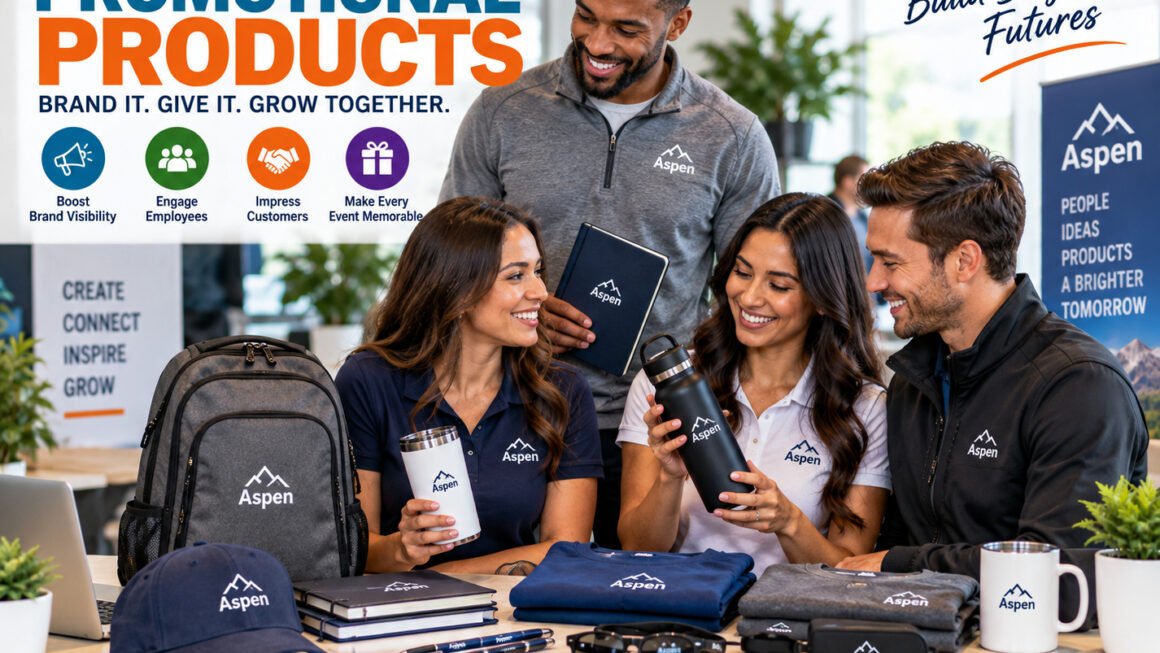
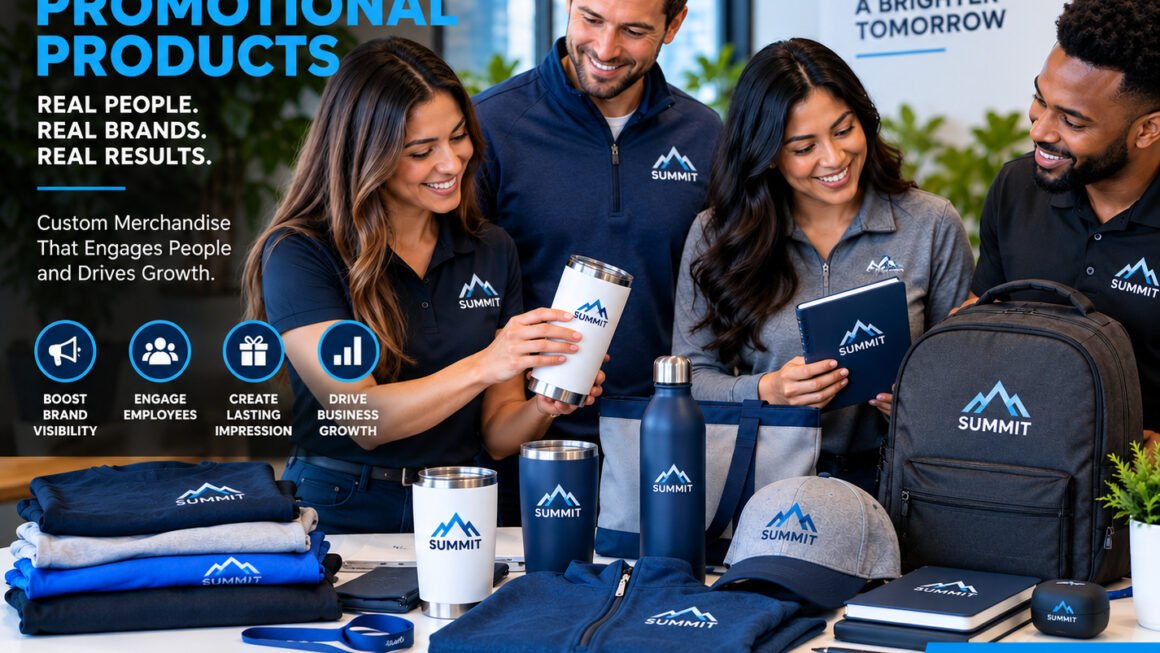
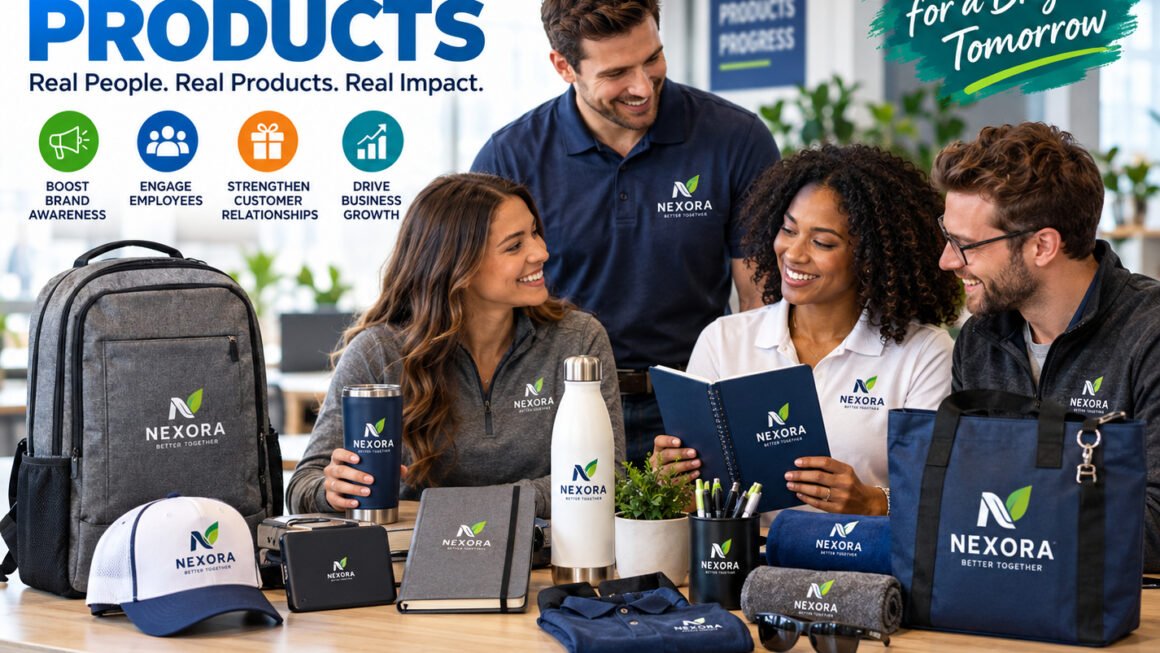
New promotional products are modern branded merchandise selected to promote an organization, campaign, event, employee program, customer relationship, or business initiative. They can include apparel, bags, drinkware, technology accessories, office products, event merchandise, gifts, kits, wellness products, and other customizable items.
“New” does not necessarily mean a product was invented this year. It can also describe an established product category that has evolved through better materials, contemporary styling, improved decoration techniques, retail-inspired designs, sustainability features, or more useful functionality.
Why Promotional Merchandise Is Becoming More Strategic
Businesses increasingly expect branded merchandise to accomplish more than logo exposure. Procurement teams want predictable costs and quality. Marketing teams want attractive brand presentation. Human resources teams need merchandise that employees appreciate. Event teams need products delivered correctly and on schedule.
That convergence has changed product selection. Instead of asking which giveaway is cheapest, experienced buyers increasingly consider recipient value, useful life, distribution method, decoration quality, brand alignment, inventory requirements, and the cost per meaningful impression.
A promotional item used 100 times creates a very different business outcome from one that is used once. This is why practical utility and perceived quality often matter more than achieving the lowest possible unit price.
Latest Promotional Products and Merchandise Trends
The latest promotional products reflect broader changes in workplace culture, events, technology, sustainability, and consumer expectations. Retail-inspired merchandise has become particularly important because recipients compare branded products with the products they already buy for themselves.
- Premium drinkware: Reusable tumblers, insulated bottles, travel mugs, and hydration products can generate repeated brand exposure.
- Performance apparel: Polos, quarter-zips, lightweight jackets, technical shirts, and comfortable everyday apparel work across employee and customer programs.
- Technology accessories: Charging products, cable-management accessories, device stands, and other practical technology items fit modern work environments.
- Reusable merchandise: Tote bags, travel accessories, food-storage products, and durable everyday items can extend the useful life of a campaign.
- Employee kits: Coordinated apparel, drinkware, notebooks, bags, and welcome materials turn separate products into a unified brand experience.
- Wellness and lifestyle products: Fitness, outdoor, travel, and comfort-oriented merchandise can connect a brand with recipients outside the workplace.
- Premium corporate gifts: Higher-value merchandise can support executive gifting, client retention, milestones, and recognition programs.
Use Cases: Where New Promotional Products Create Business Value
Short Answer: Promotional merchandise works best when the product, recipient, distribution method, and desired business outcome are defined before ordering. The same item can perform very differently in an employee program, trade show campaign, customer gift, or sales initiative.
Trade Shows and Conferences
Trade show giveaways should help attract attention without creating unnecessary shipping and handling problems. Portable, useful products are often easier for attendees to keep and easier for exhibitors to transport.
For example, imagine a technology company preparing for a conference with 1,500 expected visitors. Instead of ordering 1,500 identical high-value gifts, it could purchase 1,000 useful general giveaways and reserve 150 premium products for qualified prospects, scheduled meetings, and strategic accounts. This tiered approach concentrates more of the merchandise budget on people with greater potential business value.
Businesses planning event campaigns can review branded merchandise options at https://products.digitizedlogos.com/ and evaluate products based on audience, budget, quantity, decoration, and delivery requirements.
Employee Onboarding
An onboarding kit can make a new employee’s first interaction with company merchandise feel intentional. A coordinated box might contain a branded polo, insulated bottle, notebook, bag, and welcome materials.
For a company hiring 25 employees per month, producing 300 kits at once may not always be operationally ideal. A more scalable approach could involve planned inventory, size forecasting, standardized kit contents, and scheduled replenishment. That reduces emergency orders while maintaining a consistent employee experience.
Corporate Gifting and Customer Retention
Customer gifts should reflect the value of the relationship. A high-value client may respond better to one carefully selected premium product than a box filled with inexpensive merchandise.
Milestones, renewals, referrals, project completions, holidays, and account anniversaries provide natural opportunities for branded gifts. Personalization can further increase relevance when names, departments, events, or campaign-specific messaging can be incorporated appropriately.
Branded Apparel Programs
Branded apparel can support sales teams, field employees, conferences, recruiting, corporate events, hospitality programs, and internal culture. Fit, fabric, garment construction, decoration method, and size availability should all be evaluated alongside price.
For organizations operating across multiple locations, apparel standardization can also improve brand consistency. Establishing approved garments and decoration specifications prevents individual offices or departments from unintentionally creating conflicting versions of the brand.
How to Choose New Promotional Products: A 7-Step Framework
A reliable merchandise program starts with the business objective and works backward toward the product. This framework can help marketing, procurement, HR, sales, and event teams make more defensible purchasing decisions.
- Define the outcome. Decide whether the merchandise should generate awareness, reward customers, support an event, onboard employees, recognize performance, or encourage engagement.
- Identify the recipient. Consider role, age range, work environment, lifestyle, location, and how the recipient is likely to use the product.
- Set the complete budget. Account for product cost, decoration, setup, packaging, freight, fulfillment, and potential rush charges rather than comparing unit price alone.
- Choose the product category. Narrow the selection to apparel, drinkware, technology, bags, office products, gifts, event merchandise, or another category that supports the objective.
- Evaluate customization. Determine logo size, colors, imprint location, decoration method, personalization requirements, and packaging expectations.
- Confirm production and logistics. Review inventory, minimum quantities, proofs, production schedules, shipping destinations, and event deadlines before approval.
- Measure results. Track distribution, employee adoption, event engagement, repeat usage, campaign responses, or other metrics appropriate to the program.
Customization Methods Matter as Much as Product Selection
A strong product can still produce a weak result if the decoration method is poorly matched to the material or design. Embroidery, screen printing, heat transfer, dye sublimation, engraving, digital printing, and other methods create different visual and tactile results.
Embroidery can provide a premium dimensional appearance on polos, jackets, caps, and bags. Screen printing can be effective for larger apparel runs. Dye sublimation can support vibrant, integrated graphics on compatible polyester products. Engraving can create a durable, refined finish on appropriate drinkware and gift items.
The best method depends on the artwork, product material, quantity, number of colors, intended appearance, budget, and production schedule. Decoration should therefore be evaluated during product selection, not treated as an afterthought.
Behind the Scenes: What Happens After a Promotional Product Is Selected?
Short Answer: A professional promotional order typically moves through product selection, inventory verification, artwork preparation, proofing, production, quality control, packing, and shipping. Complex programs can also require kitting, individual-address fulfillment, inventory management, or multi-location distribution.
One important operational detail is that a product appearing available during initial planning may not remain available indefinitely. Inventory can change between quotation and order approval, particularly when a specific color or size is required. Early selection and prompt approval can therefore reduce substitution and deadline risk.
Artwork preparation is another frequently underestimated stage. Logos must be suitable for the intended decoration method, and imprint dimensions may need to change between products. A logo treatment designed for a shirt cannot automatically be assumed to work identically on a narrow pen, curved tumbler, embroidered cap, or small technology accessory.
Buyer Considerations: What Should Businesses Evaluate?
Price is important, but sophisticated purchasing decisions consider total program value. Buyers should evaluate whether the supplier can maintain quality, support customization, communicate production requirements, and deliver to the required destination on schedule.
Cost and Total Program Budget
Suppose a company needs 500 products. Option A costs $4.00 per unit and Option B costs $7.00. The apparent difference is $1,500. But if recipients frequently use the $7 product while the $4 product has little utility, the more expensive option may deliver a lower effective cost per meaningful brand interaction.
Budget comparisons should therefore consider expected use, perceived value, decoration, shipping, packaging, and waste rather than unit price in isolation.
Minimum Quantities
Minimum order quantities vary by product and decoration process. Lower quantities can be useful for executive gifts, test programs, departmental campaigns, or smaller events, while larger quantities may improve unit economics for national programs.
Buyers should ask whether the quantity requirement applies to the total order, individual colors, individual designs, or individual sizes. That distinction can materially affect purchasing flexibility.
Turnaround Time
Turnaround is not simply the number of production days. Artwork approval, inventory availability, decoration, quality checks, packaging, freight, and final delivery all contribute to the schedule.
A practical event order should include contingency time. Waiting until the last possible production date increases exposure to artwork changes, inventory substitutions, freight delays, and rush charges.
Quality Consistency
Consistency becomes increasingly important when merchandise is reordered throughout the year. Approved artwork files, decoration specifications, product information, brand colors, imprint dimensions, and packaging standards can help reduce variation between production runs.
New Promotional Products vs Traditional Giveaways
Traditional giveaways are often selected primarily around low unit cost and mass distribution. Modern branded merchandise programs place greater emphasis on recipient usefulness, product quality, personalization, experience, and measurable business objectives.
A basic giveaway can still be appropriate when broad reach is the objective. A community event with thousands of attendees may justify an inexpensive, easy-to-distribute item. A strategic account meeting, however, usually calls for a different level of product and presentation.
The correct decision is therefore not “premium versus inexpensive.” It is choosing the level of merchandise appropriate to the audience, occasion, expected value, and distribution scale.
How to Measure Promotional Product ROI
Short Answer: Promotional product ROI should be measured against the objective of the program. Useful metrics include cost per recipient, qualified leads generated, event meetings booked, employee participation, gift redemption, repeat usage, customer responses, and revenue influenced.
Consider an event campaign costing $6,000 for merchandise, decoration, and related fulfillment. If it contributes to 20 qualified opportunities, the merchandise cost equals $300 per qualified opportunity before considering other campaign expenses. If two resulting contracts generate $30,000 in gross profit, the merchandise investment becomes easier to evaluate in business terms.
Not every campaign produces directly attributable revenue. Employee onboarding merchandise, for example, may be evaluated through participation, employee feedback, consistency, administrative efficiency, and employer-brand experience rather than immediate sales.
How Merchandise Programs Scale
Ordering merchandise for one event is relatively straightforward. Managing products across offices, departments, sales teams, conferences, recruiting programs, and employee populations introduces additional operational requirements.
Scalable programs benefit from approved product assortments, defined branding standards, inventory planning, reorder points, centralized artwork, standardized packaging, and clear authorization processes. These controls reduce duplicate sourcing and make it easier to maintain a consistent brand experience.
For businesses operating across the United States, distribution planning becomes especially important. Maryland, Virginia, and Washington DC organizations may require local event support while simultaneously shipping merchandise to employees, customers, or offices elsewhere in the country.
Common Promotional Product Mistakes
- Choosing solely by price: Low-cost merchandise can become expensive if recipients do not value or use it.
- Ordering too late: Compressed schedules reduce product choices and can increase freight or rush costs.
- Ignoring the audience: A popular product is not automatically appropriate for every recipient group.
- Over-branding: Excessively large logos can make otherwise attractive products feel less desirable for everyday use.
- Skipping proof review: Artwork placement, spelling, colors, and product details should be checked carefully before production.
- Ignoring distribution costs: Kitting, individual shipments, freight, storage, and packaging can materially affect total program cost.
- Creating too many SKUs: Excessive product, color, and apparel-size variations can make inventory difficult to manage.
Decision Support: Is Digitized Logos the Right Promotional Products Partner?
A promotional products partner should do more than provide a catalog. Business buyers benefit from support across sourcing, product selection, customization, production planning, and fulfillment because these stages directly influence cost, quality, timing, and brand consistency.
Digitized Logos provides branded apparel and promotional product solutions and manages sourcing, customization, and fulfillment. The company is an MDOT, DDOT, and VA SWaM Certified Small, Minority, Female-Owned Business, providing an additional consideration for organizations with supplier-diversity and procurement objectives.
Organizations evaluating vendors should discuss budget, quantity, required delivery date, audience, artwork, distribution plan, quality expectations, and potential reorders before approving a program. Buyers can explore available merchandise through https://products.digitizedlogos.com/ as part of that evaluation process.
Key Takeaways
- The strongest new promotional products combine usefulness, perceived quality, brand relevance, and reliable execution.
- Total program cost should include decoration, packaging, shipping, fulfillment, and potential inventory requirements, not just unit price.
- Product selection should begin with the recipient and business objective rather than the latest trend.
- Early artwork, inventory, and logistics planning can reduce rush costs and protect important event deadlines.
- Scalable merchandise programs depend on consistent products, decoration standards, sourcing processes, and fulfillment controls.
Frequently Asked Questions About New Promotional Products
What are the most popular new promotional products for businesses?
Popular new promotional products include premium drinkware, performance apparel, technology accessories, reusable bags, travel merchandise, wellness products, employee kits, and corporate gifts. The right choice depends on the audience, budget, distribution method, and campaign objective rather than popularity alone.
How much should a business spend on promotional products?
There is no universal promotional product budget. Businesses should calculate an appropriate cost per recipient based on audience value, campaign goals, quantity, decoration, packaging, shipping, and fulfillment. Mass events may justify lower-cost merchandise, while employees, executives, customers, and strategic prospects may warrant higher-value products.
How far in advance should promotional products be ordered?
Ordering as early as practical provides more flexibility for inventory, artwork approval, production, customization, and shipping. Complex kits, custom manufacturing, high quantities, multiple destinations, or event-critical orders generally require more planning. Building contingency time into the schedule can reduce rush charges and substitution risk.
Can promotional products be customized for different locations or employees?
Yes. Depending on the product and production method, merchandise can often support different logos, names, departments, campaigns, locations, or packaging configurations. Buyers should confirm minimum quantities and decoration requirements because extensive personalization can affect production cost, scheduling, inventory management, and fulfillment complexity.
How can businesses identify the latest promotional products worth buying?
Evaluate the latest promotional products according to usefulness, recipient fit, perceived quality, decoration potential, expected lifespan, logistics, and total cost. A trend is valuable only when it supports the campaign objective and audience. Samples and proofs can also help buyers evaluate quality before committing to larger programs.
Build a Promotional Merchandise Program That Is Ready to Perform
The best new promotional products are not simply the newest items in a catalog. They are products chosen deliberately around audience needs, brand standards, business objectives, budget, customization, and fulfillment realities. That approach can improve brand visibility while reducing wasted merchandise and operational surprises.
Digitized Logos can help businesses source branded apparel, corporate merchandise, event giveaways, employee onboarding products, corporate gifts, and other promotional solutions while coordinating customization and fulfillment. Whether you are planning one event or developing a repeatable merchandise program, stronger planning creates better consistency and purchasing confidence.
Ready to explore the latest promotional products for your organization? Call 301-963-3553 or visit https://products.digitizedlogos.com/ to discuss product selection, customization support, flexible ordering, turnaround requirements, merchandise consistency, and event readiness.
#NewPromotionalProducts #LatestPromotionalProducts #PromotionalProducts #BrandedMerchandise #CorporateSwag #BrandedApparel #CorporateGifts #EmployeeOnboarding #TradeShowGiveaways #DigitizedLogos