Branded Apparel for Employee, Event and Corporate Programs
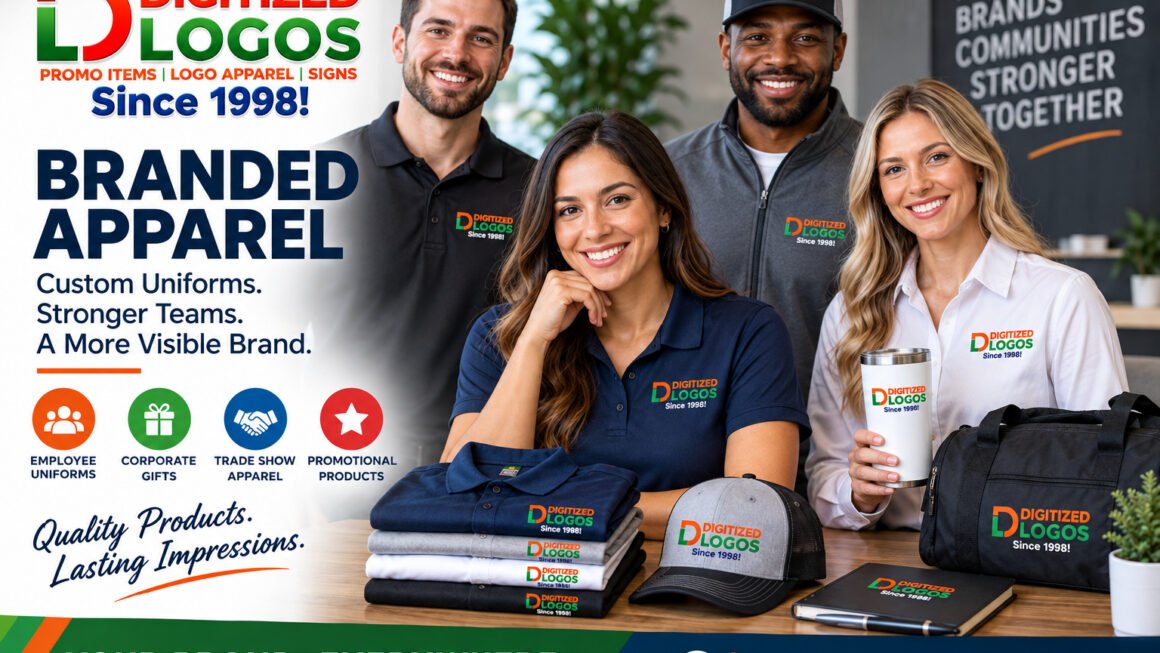
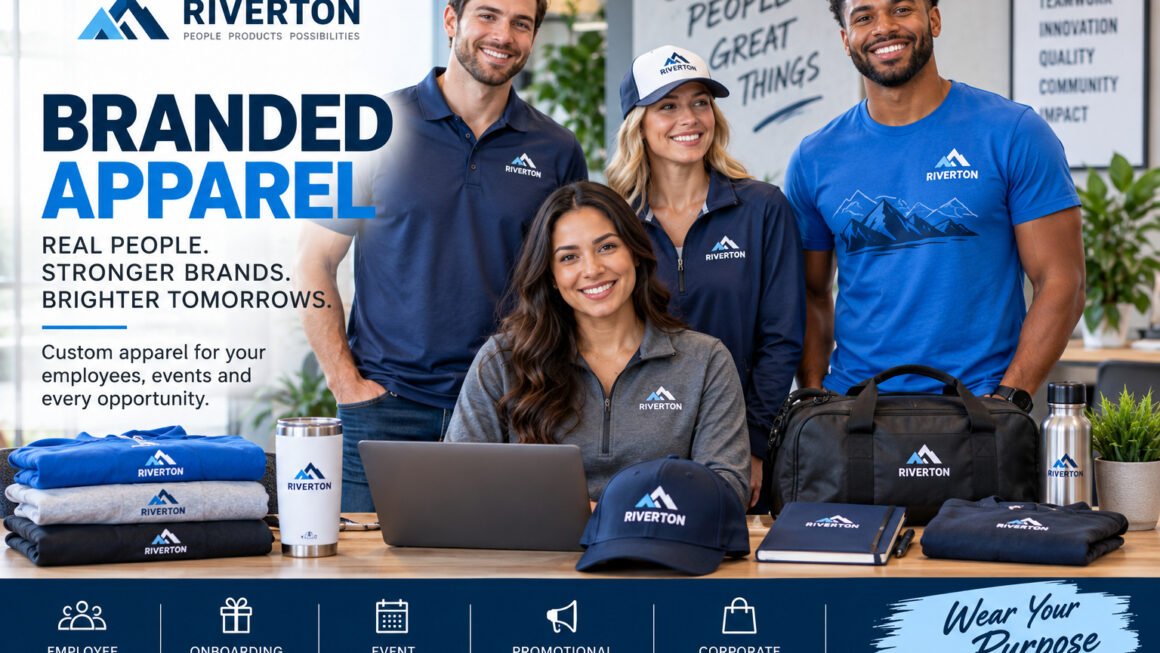
Branded apparel turns everyday clothing into a practical extension of your company identity. From employee uniforms and onboarding shirts to conference polos, jackets and event apparel, the right program can improve brand consistency while giving employees and customers merchandise they will actually use.
Digitized Logos provides branded apparel and promotional product solutions for organizations that need professional customization, dependable sourcing and scalable fulfillment. Businesses can explore branded apparel, corporate merchandise and promotional products at https://products.digitizedlogos.com/ when planning an employee, event or company-wide merchandise program.
Quick Answer: What Is Branded Apparel?
Short Answer: Branded apparel is clothing customized with a company’s logo, colors, messaging or visual identity for employees, customers, events, promotions and merchandise programs. Employee branded apparel can include polos, T-shirts, jackets, performance wear, hats and other garments selected to support both practical use and consistent brand presentation.
Why Branded Apparel Matters to Businesses
Corporate apparel is often treated as a simple logo application project. In practice, a successful program involves garment selection, decoration compatibility, sizing, brand standards, inventory planning, distribution and replenishment.
The objective is not merely to put a logo on clothing. It is to create apparel people are comfortable wearing while maintaining a recognizable and professional company presence.
That distinction becomes increasingly important as programs scale. A company ordering 30 shirts for a local event has different operational requirements from an organization distributing hundreds or thousands of garments across departments, offices, job sites or events.
Employee Branded Apparel: Where It Creates Business Value
Short Answer: Employee branded apparel can support visual consistency, team identification, onboarding, events, customer-facing interactions and workplace culture. Its value is strongest when garments are selected for the actual working environment instead of choosing products solely by price.
A field technician, sales representative, conference employee and corporate executive may all represent the same organization, but they rarely need identical clothing. Building a thoughtful apparel assortment allows the brand to remain consistent while the garments remain appropriate for each role.
Common Business Use Cases
- Employee uniforms: Polos, work shirts, outerwear and performance garments for customer-facing or operational teams.
- Employee onboarding: Welcome shirts, hoodies, hats and coordinated onboarding kits for new hires.
- Trade show marketing: Coordinated staff apparel combined with trade show giveaways and branded merchandise.
- Corporate gifting: Premium jackets, quarter-zips, pullovers and other wearable branded gifts.
- Company events: Apparel for conferences, volunteer programs, retreats, celebrations and team-building activities.
- Merchandise programs: Curated clothing collections for employees, customers, partners or online company stores.
Businesses building broader programs can combine apparel with promotional products and corporate merchandise through https://products.digitizedlogos.com/ rather than managing disconnected product categories independently.
How to Build a Branded Apparel Program Step by Step
A reliable apparel program begins with the business objective, not the garment catalog. Defining who will wear the products, where they will be used and how they will be distributed helps prevent unnecessary cost and operational problems later.
- Define the audience and purpose. Determine whether the apparel is intended for employees, customers, conference staff, field teams, executives, new hires or promotional recipients.
- Set the budget at the program level. Consider garments, decoration, setup, freight, packaging, distribution and potential replenishment rather than comparing blank garment prices alone.
- Select garments for actual use. Evaluate fabric, fit, durability, climate, work environment, sizing range and expected wear frequency.
- Choose the decoration method. Match embroidery, screen printing, heat-applied graphics, dye sublimation or other methods to the garment, artwork and desired appearance.
- Confirm artwork and placement. Establish logo size, position, approved colors and garment-specific decoration requirements before production.
- Plan quantities and sizing. Build a size distribution based on real recipient data whenever possible instead of relying entirely on assumptions.
- Approve samples or proofs. Verify artwork, colors, garment selection and placement before moving into full production.
- Plan fulfillment. Decide whether products will ship to one location, multiple offices, individual recipients or scheduled events.
- Create a replenishment strategy. For recurring programs, identify core styles that can be reordered consistently.
Choosing the Right Apparel for Your Program
Short Answer: The best corporate apparel is not necessarily the most expensive option. Buyers should prioritize fit, comfort, durability, decoration compatibility, size availability and suitability for the intended environment.
T-Shirts
T-shirts work well for employee events, volunteer programs, giveaways, internal campaigns and casual uniforms. Fabric weight and construction matter when shirts will be worn repeatedly rather than distributed as one-time promotional items.
Polos
Polos are particularly useful for sales teams, conferences, hospitality environments, technicians and customer-facing employees. They provide a professional appearance without requiring formal business attire.
Jackets and Outerwear
Outerwear offers high perceived value and significant practical utility. Jackets, vests and quarter-zips can work especially well for leadership gifts, employee recognition, field teams and cooler-weather events.
Performance Apparel
Moisture-management fabrics can be valuable for outdoor crews, sports programs, warm-weather events and physically active roles. Buyers should consider breathability, stretch and durability alongside branding requirements.
Caps and Headwear
Caps can complement uniforms and event programs or function as standalone corporate swag. Decoration areas are smaller than those on most garments, so simplified artwork and careful logo sizing often produce stronger results.
Branded Apparel Decoration Methods Compared
Decoration should be selected according to the garment, artwork, order quantity and intended use. Choosing a production process before considering these factors can limit design quality or create unnecessary expense.
Embroidery
Embroidery creates a dimensional, professional finish commonly used on polos, jackets, caps and premium corporate clothing. Designs with extremely fine details may require artwork simplification to translate effectively into thread.
Screen Printing
Screen printing is widely used for T-shirts, sweatshirts and larger apparel runs. The economics depend partly on the number of print locations and colors, making artwork planning important when controlling production costs.
Heat-Applied Decoration
Heat-applied graphics can provide flexibility for names, numbers, smaller quantities and detailed designs. Garment fabric and application specifications must be evaluated carefully to achieve reliable adhesion and durability.
Dye Sublimation
Dye sublimation enables full-color designs to become part of compatible polyester fabric rather than sitting as a traditional ink layer on top. It is especially useful for performance apparel and designs requiring extensive color, gradients or large decoration areas.
Behind the Scenes: What Happens Before Production?
A professional apparel order involves more than uploading a logo and selecting a shirt. Behind the scenes, the supplier must confirm garment availability, sizes, decoration compatibility, artwork quality, logo placement, production requirements and shipping deadlines.
For embroidery, artwork may need to be converted into stitch instructions. Printed applications require production-ready artwork and appropriate color handling. Garments must then be decorated, checked and prepared for delivery or distribution.
Operational insight: One of the easiest ways to reduce apparel delays is to finalize garment styles, size quantities and approved artwork together. Changing one of these variables after production planning has begun can affect availability, scheduling and cost.
Operational insight: Organizations with recurring needs benefit from limiting their core program to a manageable selection of proven garments. Fewer standardized styles can simplify reordering, sizing, brand consistency and inventory management.
Two Realistic Branded Apparel Program Examples
Example 1: 250-Person Employee Onboarding Program
Consider a growing company hiring 250 employees over the course of a year. Instead of placing a separate rush order every time several people start, the organization can standardize an onboarding kit containing a branded shirt, premium outerwear item and selected corporate swag.
If the complete kit costs an illustrative $65 per employee, the annual merchandise budget would be approximately $16,250 before variables such as individual shipping or special packaging. The important business benefit is predictable budgeting and a repeatable onboarding experience rather than repeatedly rebuilding the program.
Example 2: 40-Person Trade Show Team
A company sending 40 employees to a three-day conference might issue two branded polos per person, creating an initial requirement of 80 garments plus a small sizing reserve. Coordinating apparel with branded gifts and trade show giveaways creates a more unified visual experience across the booth, team and visitor interactions.
Planning several weeks ahead also gives the buyer more flexibility to review samples, confirm sizes and coordinate shipment with the event schedule instead of relying on expedited production.
How Much Does Branded Apparel Cost?
Short Answer: Branded apparel pricing depends on garment quality, quantity, decoration method, number of decoration locations, artwork complexity, packaging and shipping. Buyers should compare total program cost rather than evaluating only the blank garment price.
For example, suppose one option costs $18 per completed garment and another costs $24. On a 500-piece order, the difference is $3,000. That difference should be evaluated against fabric quality, expected wear frequency, employee acceptance and the intended lifespan of the program.
If the $24 garment is worn regularly while the cheaper option remains unused, the lower initial price may not produce better business value. For wearable merchandise, utilization matters.
Understanding ROI From Corporate Apparel
Apparel ROI is not always measured through direct sales attribution. Depending on the program, organizations may evaluate employee participation, cost per recipient, repeat wear, event visibility, onboarding consistency, merchandise redemption or reductions in fragmented departmental purchasing.
Consider a $12,000 apparel program serving 400 employees. The direct cost equals $30 per employee. If standardized purchasing also eliminates repeated small orders, inconsistent artwork and rush shipping across departments, part of the return comes from operational efficiency and brand control.
For customer-facing apparel, repeated use also creates ongoing brand impressions without purchasing a new advertising placement every time the garment is worn.
Common Branded Apparel Mistakes
- Choosing the cheapest garment without considering comfort or durability.
- Ordering before collecting reliable employee sizing information.
- Using artwork that is too detailed for the selected decoration method.
- Ignoring extended sizes when building an employee program.
- Waiting until immediately before an event to begin production.
- Changing garment styles constantly and making replenishment difficult.
- Forgetting to include freight, packaging and fulfillment in the budget.
- Using the same product for every employee role regardless of working conditions.
Buyer Considerations Before Requesting a Quote
Providing complete information early makes quoting more useful. Buyers should ideally know the approximate quantity, garment category, preferred quality level, decoration locations, artwork requirements, delivery destination and required date.
Exact details may evolve during product selection. However, communicating the business objective helps the supplier recommend alternatives when a requested garment is unavailable, unsuitable for the decoration method or incompatible with the timeline.
Decision Support: Cost, Turnaround, Minimums and Fulfillment
Cost: Compare completed merchandise costs, including decoration and logistics, rather than blank-product pricing alone. A slightly higher unit price may be justified by better durability, presentation or availability.
Turnaround times: Production schedules depend on the garment, decoration method, quantity, inventory availability and shipping requirements. Event-driven orders should include time for product selection, artwork approval, production and delivery.
Minimum quantities: Minimums can vary by product and production method. Buyers who need smaller quantities should discuss alternatives instead of assuming every garment or decoration process has the same requirements.
Customization flexibility: Logo location, garment colors, decoration techniques, personalization and packaging can often be configured around the program. More complex customization should be planned earlier.
Quality consistency: Standardizing core products, artwork specifications and decoration placements helps organizations maintain a consistent appearance across repeat orders.
Fulfillment logistics: Determine whether merchandise will ship in bulk, go to multiple company locations or require individual distribution. Fulfillment strategy can materially affect the total program cost and timeline.
Digitized Logos manages sourcing, customization and fulfillment for branded apparel and promotional merchandise programs. Buyers evaluating options can review products at https://products.digitizedlogos.com/ and discuss the operational requirements of their specific program before production.
How Branded Apparel Fits Into a Larger Merchandise Strategy
Apparel becomes more powerful when it is treated as one component of a coordinated merchandise ecosystem. The same visual standards can extend across employee clothing, onboarding kits, corporate gifts, promotional products and event materials.
A new employee, for example, might receive a branded polo alongside a drinkware item and welcome merchandise. A trade show team might combine coordinated apparel with visitor giveaways. A recognition program could pair premium outerwear with a curated branded gift.
This approach helps organizations move away from isolated promotional purchases and toward repeatable merchandise programs with clearer brand standards.
Branded Apparel Trends for Corporate Buyers
Corporate buyers are increasingly focused on wearability rather than simply maximizing logo size. Comfortable fabrics, understated branding, versatile layering pieces and apparel that works beyond a single event can increase the likelihood that recipients continue wearing the merchandise.
Another important trend is program consolidation. Instead of allowing every department to source unrelated garments independently, organizations can establish approved merchandise collections that preserve flexibility while maintaining visual consistency.
Full-color customization and performance fabrics also create opportunities for organizations that want apparel to function as a designed brand experience rather than a blank garment with a small logo.
How to Evaluate a Branded Apparel Vendor
The vendor decision should consider operational capability alongside product selection. A large catalog is useful only when the supplier can help turn those choices into a reliable finished program.
Evaluate whether a potential provider can support sourcing, artwork preparation, decoration, product alternatives, deadlines, fulfillment and repeat ordering. Ask how unavailable inventory is handled and how consistency is maintained when a program extends across multiple orders.
Digitized Logos provides branded apparel and promotional product solutions for organizations seeking coordinated corporate merchandise. The company manages sourcing, customization and fulfillment and is an MDOT, DDOT, and VA SWaM Certified Small, Minority, Female-Owned Business.
That combination can be particularly relevant for organizations operating in Maryland, Virginia and Washington DC, as well as companies managing merchandise programs across the United States of America.
Key Takeaways
- Start with the business objective: Select garments around recipients, environment and expected use rather than catalog appearance alone.
- Evaluate total program value: Include decoration, logistics, durability and recipient utilization when assessing ROI.
- Standardize where practical: Core apparel styles and approved artwork make repeat ordering easier and improve brand consistency.
- Plan fulfillment early: Bulk, multi-location and individual shipping models have different operational requirements.
- Choose a scalable partner: Integrated sourcing, customization and fulfillment can reduce friction as merchandise programs grow.
Frequently Asked Questions About Branded Apparel
What is employee branded apparel?
Employee branded apparel is company-identified clothing designed for staff use, including polos, T-shirts, jackets, performance wear and hats. Businesses use it for uniforms, onboarding, events, field operations and internal programs. Good employee apparel balances brand consistency with comfort, durability, appropriate sizing and the practical needs of each role.
How far in advance should businesses order branded apparel?
Lead times vary according to garment availability, decoration method, quantity, artwork approval and shipping requirements. Event orders should be planned early enough to accommodate product selection, proofing, production and delivery. Complex customization, large quantities and multi-location fulfillment generally benefit from additional planning time.
What customization methods are available for corporate apparel?
Common options include embroidery, screen printing, heat-applied decoration and dye sublimation. The appropriate method depends on garment material, artwork, quantity, desired appearance and intended use. A supplier should evaluate the complete application rather than recommending one decoration technique for every type of apparel.
How can companies control branded apparel costs?
Companies can control costs by standardizing core garments, consolidating orders, planning ahead, limiting unnecessary decoration locations and selecting products appropriate to expected use. Buyers should also account for freight and fulfillment. Comparing total program cost provides a more accurate picture than comparing blank garment prices alone.
Can branded apparel be combined with promotional products?
Yes. Apparel can be integrated with promotional products, onboarding kits, corporate gifts, trade show giveaways and larger merchandise programs. Coordinating these categories under common brand standards can improve consistency and simplify sourcing, particularly for organizations managing recurring employee, event or customer merchandise needs.
Build a More Consistent Branded Apparel Program
The strongest branded apparel programs combine products people want to wear with disciplined sourcing, customization and fulfillment. Whether the requirement involves employee branded apparel, an upcoming conference, onboarding kits or a scalable corporate merchandise program, planning the complete lifecycle reduces purchasing risk and improves consistency.
Digitized Logos can help businesses select products, coordinate customization and prepare merchandise for employees, customers and events. To improve brand visibility, support flexible ordering, maintain merchandise consistency and prepare for upcoming deadlines, call 301-963-3553 or visit https://products.digitizedlogos.com/ to explore branded apparel and promotional product options.
#BrandedApparel #EmployeeBrandedApparel #CorporateApparel #PromotionalProducts #CorporateMerchandise #CorporateSwag #EmployeeOnboarding #BrandedMerchandise #TradeShowMarketing