
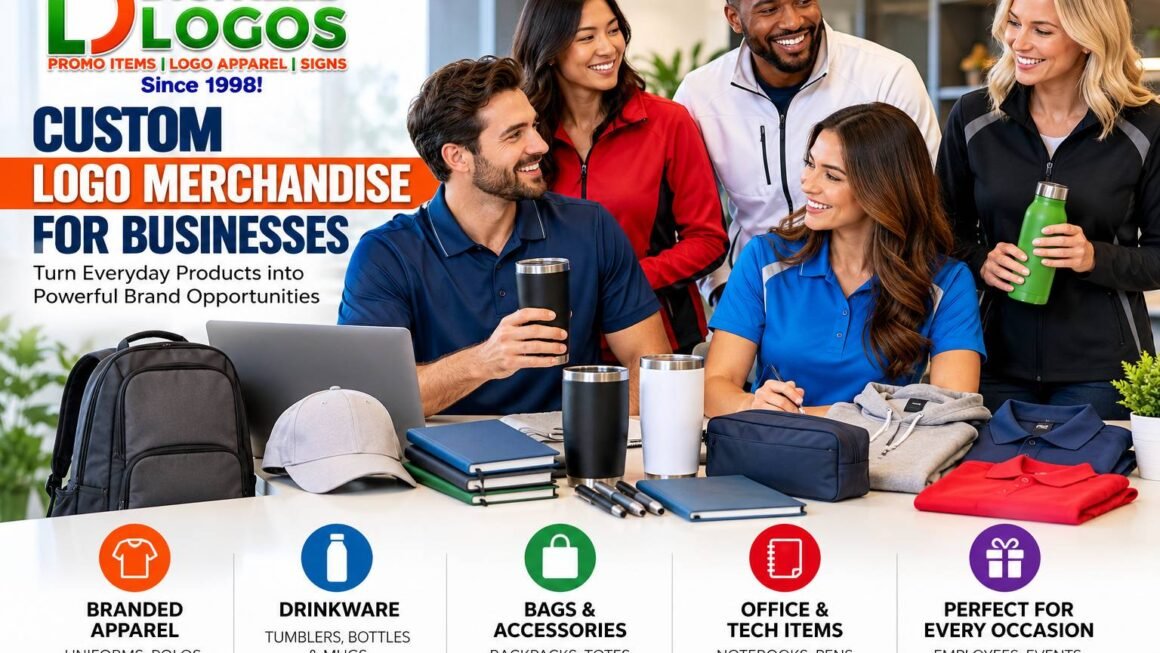
Company clothing serves a practical purpose, but it also influences how employees represent a business. From customer-facing teams to corporate offices, well-chosen uniforms can create a consistent appearance while helping people identify your organization.
custom embroidered apparel offers businesses a way to apply their logos, names, and other branding elements directly to garments using stitched thread. Popular options include embroidered polo shirts, jackets, hats, work shirts, and professional uniforms.
Choosing the right garments involves more than selecting a logo and placing an order. Fabric compatibility, embroidery quality, garment fit, decoration placement, and ordering requirements all affect the finished result. This guide explains how to make informed purchasing decisions and build an apparel program that works for your organization.
What Is Custom Embroidered Apparel?
Custom embroidered apparel is clothing decorated with logos, lettering, or designs created using thread stitched into fabric. Commercial embroidery equipment follows a digitized stitch file that determines how the design is produced.
Unlike printed graphics, embroidery creates a textured design that becomes part of the garment’s surface. This makes it particularly suitable for professional uniforms, branded polos, corporate outerwear, and headwear.
Businesses commonly use embroidery for:
- Employee uniforms and staff identification
- Corporate polo shirts and business-casual clothing
- Branded jackets, fleece, and outerwear
- Company hats and caps
- Trade show and event apparel
- Employee recognition and onboarding gifts
- Hospitality, maintenance, and service uniforms
Embroidery is especially useful when an organization wants a recognizable logo treatment that complements the garment instead of covering large areas with printed artwork.
Why Businesses Choose Custom Embroidered Apparel
1. Consistent Brand Presentation
When employees wear coordinated apparel featuring the same company logo, customers can identify staff members more easily. Consistent colors, garment styles, and embroidery placement can also reinforce an established brand identity.
For organizations operating across multiple departments or locations, standardized apparel specifications help maintain a similar appearance even when different employees order at different times.
2. Professional Appearance
Embroidered logos can provide a refined appearance that suits customer meetings, retail environments, hospitality settings, and business events. A small left-chest logo on a quality polo or jacket is often enough to identify the company without overwhelming the garment.
The overall impression still depends on fabric quality, fit, logo execution, and garment condition. Embroidery alone cannot compensate for an uncomfortable or poorly constructed uniform.
3. Durability for Repeated Wear
Properly produced embroidery can withstand repeated use and appropriate laundering. Because a design is formed with thread rather than a surface-applied ink layer, it does not experience the same type of printed-film cracking or peeling.
However, embroidered designs can still suffer from thread damage, snagging, puckering, or distortion. Their longevity depends on production quality, garment construction, use conditions, and care practices.
4. Employee Identification
Adding a company logo, employee name, or department designation can make uniforms more functional. This is useful when employees regularly interact with customers, visitors, patients, or event attendees.
Names and titles should remain readable at the selected embroidery size. Very small lettering may require adjustments to preserve clarity.
Popular Types of Custom Embroidered Apparel
The ideal garment depends on where employees work, how frequently they wear their uniforms, and the level of formality expected by the organization.
Embroidered Polo Shirts
Polos are a versatile choice for office teams, customer service employees, sales representatives, and event staff. They offer a balance between casual comfort and professional presentation.
Common purchasing considerations include:
- Fabric composition and breathability
- Collar construction and shape retention
- Moisture-management properties where needed
- Inclusive sizing and fit options
- Logo placement and embroidery compatibility
Lightweight performance polos can be suitable for active employees, but stretch and fabric thickness must be considered during embroidery production.
Embroidered Jackets and Fleece
Branded outerwear is useful for field staff, delivery teams, corporate employees, and organizations that operate in changing temperatures.
Fleece jackets, soft-shell jackets, quarter-zips, and other outerwear provide space for discreet company branding. Fabric texture, lining, insulation, and panel construction can influence the embroidery method and placement.
For lined or technically constructed garments, the supplier should confirm how decoration may affect the garment and whether the selected location is suitable.
Embroidered Hats and Caps
Caps are popular for outdoor teams, event personnel, maintenance staff, and company merchandise programs. Front-panel embroidery can provide prominent logo visibility without requiring a large design.
Structured caps, unstructured caps, and performance headwear behave differently during embroidery. Seams, panel curvature, available decoration space, and logo dimensions should be evaluated before production.
Embroidered Work Shirts and Uniforms
Work shirts are commonly used by facilities teams, technicians, service professionals, and employees who need recognizable clothing throughout the workday.
Businesses should consider garment durability, wash requirements, pocket positioning, employee mobility, and any job-specific safety or uniform standards.
Embroidery should never compromise required protective features or obscure safety markings.
How Custom Logo Embroidery Works
Professional embroidery involves several stages that transform a company logo into a stitched design. Understanding this process helps buyers recognize why artwork preparation and production testing matter.
- Garment selection: The business chooses apparel based on intended use, fabric, fit, color, and available decoration areas.
- Artwork review: The logo is checked for dimensions, fine details, lettering, and suitability for embroidery.
- Embroidery digitizing: The artwork is converted into machine-readable stitching instructions.
- Thread selection: Thread colors are selected to approximate the approved brand artwork as closely as the available materials allow.
- Garment preparation: The material is positioned and stabilized using an appropriate embroidery backing or support method.
- Production and inspection: The design is stitched, checked for visible defects, and finished before packaging.
Why Embroidery Digitizing Matters
One of the most overlooked aspects of embroidered clothing is digitizing. A digital logo file, even a high-resolution vector design, does not automatically tell an embroidery machine how to create the artwork.
Digitizing specifies stitch types, directions, sequence, density, and other production instructions. Poorly prepared stitch files may cause uneven lettering, excessive thread buildup, gaps, or distortion.
For example, a logo featuring small text and thin lines may look excellent on a computer screen but lose definition when stitched into a textured polo shirt. The design may need an approved embroidery-specific adaptation to maintain readability.
Businesses with established brand guidelines should review any proposed simplification before approving production.
Choosing the Right Fabric for Embroidered Clothing
Not every fabric reacts to embroidery in the same way. The relationship between stitch density, fabric stability, garment construction, and backing selection determines whether a logo lies flat and remains visually consistent.
Cotton and Cotton-Blend Fabrics
Cotton and cotton-blend polos or shirts are common choices for employee apparel. Their suitability for embroidery depends on knit structure, fabric weight, stretch, and finish.
Knitted fabrics may require stabilizing support to reduce movement during stitching.
Polyester and Performance Fabrics
Performance fabrics are frequently selected for employees who work in warm environments or need lightweight clothing.
Stretchy or thin materials may be more sensitive to concentrated stitch patterns. A large, dense logo can affect how the fabric drapes and feels against the wearer.
For these garments, smaller designs, suitable backing, and carefully prepared stitch files may produce more comfortable results.
Fleece and Textured Fabrics
Fleece and other textured materials can cause small embroidery details to disappear into the fabric surface. Depending on the garment and artwork, production may require adjustments to stitch construction or temporary topping material.
The correct approach should be established through production evaluation rather than assuming a design will perform identically across fabrics.
Embroidered Logo Clothing: Placement and Design Considerations
The appearance of embroidered logo clothing depends heavily on where the artwork appears and how its dimensions relate to the garment.
Popular embroidery locations include the left chest, right chest, sleeve, upper back, and front of a cap. Each location creates a different visual impression and may have different production restrictions.
Left-Chest Embroidery
Left-chest placement is widely used for business uniforms and corporate apparel because it keeps the logo visible without dominating the garment.
The appropriate design size depends on the garment, logo proportions, seams, and pocket placement. A supplier should confirm the available decoration area rather than applying a single size to every garment.
Sleeve Embroidery
Sleeves can accommodate smaller brand marks, department identifiers, or approved secondary artwork. However, the available space and equipment access may limit what can be stitched.
Cap Embroidery
Cap embroidery requires attention to the crown structure, available panel height, seams, and lettering size. Designs prepared for flat garments may need adjustment for curved cap surfaces.
Color Matching and Logo Accuracy
Embroidery thread has different reflective properties from digital colors or printed ink. An exact visual match to an on-screen HEX value cannot always be guaranteed.
For organizations with strict brand standards, request available thread-color references and review samples when color accuracy is especially important.
How Much Does Custom Embroidered Apparel Cost?
The cost of embroidered clothing depends on the garment selected, embroidery design, order quantity, and production requirements. There is no universal price that applies across every apparel program.
Major cost factors include:
- Blank garment cost: Premium fabrics, technical features, and specialized construction may increase the base price.
- Embroidery complexity: Stitch count, artwork size, and design construction can affect decoration costs.
- Digitizing: Preparing a new embroidery file may involve a separate charge.
- Decoration locations: Adding embroidery to sleeves, caps, or multiple garment areas may affect pricing.
- Order quantity: Quantity-based pricing varies by supplier, garment, and production arrangement.
- Personalization: Individual names or changing employee details may add production steps.
- Fulfillment: Packaging, shipping, individual distribution, and inventory management can influence total program cost.
Businesses should compare complete quotes rather than only the advertised garment price. A useful estimate separates apparel, decoration, setup, personalization, freight, and any other applicable charges.
Is Embroidery More Expensive Than Printing?
Embroidery may cost more than certain printing methods, especially for large or complex designs. However, the comparison depends on order size, garment type, number of colors, artwork dimensions, and the specific printing method.
A small embroidered chest logo and a large full-color printed design serve different purposes. The better value is the decoration method that satisfies the business’s appearance, comfort, durability, and budget requirements.
Embroidery vs. Screen Printing vs. Dye Sublimation
Businesses often compare embroidery with other apparel decoration methods before deciding how to reproduce their branding.
Embroidery
Embroidery uses thread to create a raised, textured design. It is often appropriate for corporate polos, hats, jackets, and professional uniforms with relatively compact branding.
Screen Printing
Screen printing applies ink through a prepared screen onto suitable garment surfaces. It is commonly used for graphic T-shirts, promotional apparel, and other designs where printed artwork is preferred.
Production economics depend on the artwork, number of colors, print locations, and order volume.
Dye Sublimation
Dye sublimation uses heat to transfer suitable dyes into compatible materials, commonly polyester-based fabrics. It is useful for full-color graphics, detailed patterns, and designs covering large portions of a garment.
For businesses seeking bold all-over graphics, dye-sublimated apparel may offer more design flexibility than traditional embroidery.
Digitized Logos offers branded apparel and promotional product solutions, including custom dye-sublimation capabilities, allowing businesses to evaluate different approaches based on their needs.
Which Decoration Method Should You Choose?
- Choose embroidery for compact, textured logos on polos, jackets, work shirts, and caps.
- Consider screen printing for suitable printed graphics on T-shirts and promotional clothing.
- Consider dye sublimation for compatible garments requiring detailed full-color patterns or extensive design coverage.
- Consider a mixed apparel program when different departments, events, or garment types require different decoration methods.
The right choice should account for garment material, artwork requirements, employee comfort, expected use, and the total cost of ownership.
How Businesses Can Build a Consistent Embroidered Apparel Program
Ordering uniforms for a small team is different from managing apparel for hundreds of employees across multiple locations. As programs grow, maintaining consistent specifications becomes increasingly important.
Example 1: A Multi-Location Hospitality Business
Consider a hypothetical restaurant group operating several locations. The company wants managers to wear embroidered polos and customer-facing team members to wear coordinated uniforms.
Rather than allowing every location to select different garments, the organization could establish an approved collection with consistent logo placement, brand colors, and sizing options.
Centralized artwork specifications and documented ordering procedures can help reduce unintended differences between locations. The business should also plan for replacement garments, seasonal hiring, and new-location openings.
Example 2: A Corporate Sales and Events Team
Imagine a company preparing employees for trade shows, customer presentations, and regional networking events.
Its purchasing team could select embroidered polos for routine events, lightweight jackets for cooler venues, and branded caps for outdoor activities.
Using compatible logo specifications across garments helps create a recognizable appearance while allowing different clothing choices for different working conditions.
These scenarios illustrate potential applications and are not presented as actual Digitized Logos customer projects.
Common Mistakes to Avoid When Ordering Embroidered Apparel
Ordering Before Reviewing the Logo
A design containing small lettering or intricate details may not reproduce clearly at the intended embroidery size. Confirm embroidery feasibility and any required artwork changes before production.
Choosing Garments Based on Price Alone
The lowest-priced garment may not meet employee expectations for comfort, fit, or durability. Consider how often the clothing will be worn and how it will be maintained.
Ignoring Size and Fit Differences
Different brands and garment styles may use different sizing standards. Review garment-specific size charts and consider samples when outfitting teams with varied body types.
Skipping Production Approval
A digital mockup helps visualize placement but may not reveal thread texture, fine-detail limitations, or the way stitches interact with fabric. For important orders, ask about physical embroidery samples or sew-outs before full production.
Failing to Plan for Reorders
Businesses may need additional uniforms when employees join, change roles, or replace worn clothing. Documenting garment models, approved thread colors, embroidery files, and logo placement can make future ordering more consistent.
What to Ask a Custom Embroidery Supplier Before Ordering
A reliable purchasing process starts with clear questions about artwork, production, and fulfillment.
- Which garments are suitable for our logo and intended working conditions?
- Will the artwork require embroidery digitizing or simplification?
- Can we review an embroidery sample before approving production?
- How are thread colors and decoration placement approved?
- What minimum quantities apply to the selected products?
- Are setup, digitizing, and additional decoration charges included in the quote?
- What production timeline is available for our specific order?
- Can we order replacement uniforms or additional employee sizes later?
- What options are available for shipping to multiple locations?
- How will approved artwork specifications be maintained for future orders?
Not every supplier offers the same services or purchasing arrangements. Confirm the details of the proposed program in writing before placing an order.
Managing Custom Embroidered Apparel Across Multiple Locations
Organizations with recurring uniform needs may benefit from a structured merchandise program instead of relying on occasional, unrelated purchases.
An approved apparel collection can establish which garments, colors, and embroidery placements employees are allowed to order. This helps purchasing teams manage branding requirements while providing predictable options for staff.
Corporate online stores can also support a more organized ordering process when the available platform and program are configured for that purpose.
Digitized Logos provides corporate merchandise and branded apparel solutions, including curated company store options. Businesses can discuss suitable sourcing, customization, and fulfillment arrangements based on their operational requirements.
How to Care for Embroidered Clothing
Proper garment care supports the appearance of both the fabric and embroidered design. Always follow the garment manufacturer’s care label, as washing and drying requirements vary by material.
General considerations include:
- Use the recommended washing temperature and detergent.
- Avoid unnecessary abrasion against embroidered areas.
- Follow garment-specific instructions for machine drying.
- Do not apply excessive direct heat to sensitive thread or fabric.
- Check embroidered areas for loose threads or snagging.
- Store garments in a way that protects their shape and decoration.
Specialty performance fabrics, protective workwear, and garments with technical coatings may require additional care precautions.
Frequently Asked Questions About Custom Embroidered Apparel
What is the best clothing for company logo embroidery?
Polo shirts, jackets, fleece, work shirts, and caps are common choices for company embroidery. The best option depends on employee responsibilities, working conditions, fabric compatibility, and desired appearance. A stable garment with an appropriately sized logo generally provides a better starting point than choosing solely by price or style.
Can any company logo be embroidered?
Many logos can be adapted for embroidery, but not every design reproduces accurately at every size. Tiny text, gradients, fine lines, and detailed illustrations may require simplification or a different decoration method. Businesses should approve any changes to protected brand artwork before production.
Is there a minimum order quantity for embroidered apparel?
Minimum order quantities depend on the garment, supplier, decoration method, and individual purchasing program. Some products or programs may support small orders, while others require larger quantities. Ask for the minimum quantity that applies to the exact garments and embroidery configuration you want.
How long does custom embroidered apparel take to produce?
Production timelines vary with inventory availability, artwork readiness, approval requirements, quantity, decoration complexity, and shipping arrangements. Digitizing and sample approval may add steps to a first-time order. Confirm the required delivery date with your supplier before committing to an event or uniform rollout.
Can businesses reorder embroidered uniforms with the same logo?
Yes, reorders are generally possible when the required garments, embroidery files, thread specifications, and production arrangements remain available. However, discontinued styles, fabric changes, or unavailable colors can affect consistency. Retaining approved specifications and checking current product availability helps businesses plan more effectively.
Key Takeaways for Business Buyers
- Custom embroidery works particularly well for professional logos on polos, jackets, work shirts, and headwear.
- Garment construction, artwork preparation, and embroidery digitizing all influence the final quality.
- Compare complete costs, including garments, decoration, setup, personalization, and fulfillment.
- Establish consistent specifications when managing uniforms across departments or locations.
- Choose a supplier that can explain production limitations, approval procedures, and reorder considerations.
Find Custom Embroidered Apparel for Your Business
Investing in custom embroidered apparel is an opportunity to make company clothing more consistent, recognizable, and appropriate for everyday business activities. The most effective program starts with comfortable garments, clearly prepared artwork, and a purchasing process that accommodates actual employee needs.
Digitized Logos helps businesses explore branded apparel, promotional products, custom logo merchandise, and coordinated merchandise programs. Whether you need embroidered polos for an office team, branded jackets for employees, or uniforms for multiple locations, the next step is to evaluate suitable garments and decoration options.
Explore custom embroidered apparel and other customizable products through Digitized Logos, or contact the team to discuss your organization’s requirements.
Call: 301-963-3553
Email: info@DigitizedLogos.com
Share your preferred garments, logo artwork, estimated quantities, and required delivery date to begin discussing available options and an appropriate quotation.